Table Of Content
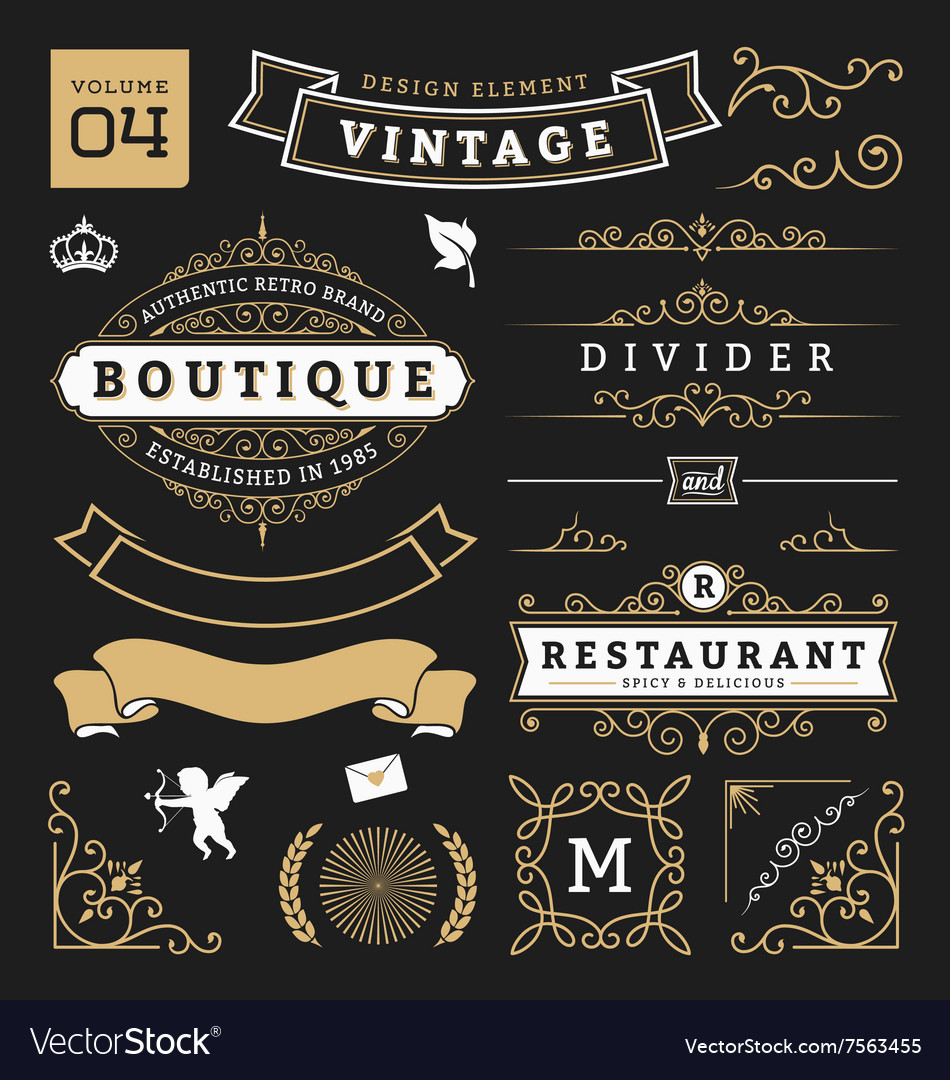
And rest assured, there’s really not a problem with that unless you’re a historical purist. Loosely stated, retro design is a genre of “throwback” design, in which it incorporates elements of design from decades past. When it comes to using vintage graphic design, the best advice is to implement techniques that match the tone of your project.
Want design tips & business trends (and the occasional promotion) in your inbox?
Badges and stamps look like they’ve literally been stamped onto paper, a throwback to the days when graphic images were created with carved wood and rubber. Natural beauty is the key to Art Nouveau, rather than intentional embellishment. You’ll notice highly contrasting colors, ornate patterns and a heavy emphasis on plants, trees and young women. Pop Art and its influences are still very much present, especially in illustration. Think of street art, which more and more up-and-coming neighborhoods use to liven up the place.
Add some character to your visuals
Besides, on a psychological level, the projects in the upcoming year will be tailored with a vivid red string, representing long home captivity and loneliness. As a result, the burst of content languished and got ripe for such a long time. It’ll require an extended lifespan for this trend in graphic design to fade away, so we’re watching closely how it evolves year by year.
Reviving Pop Culture References in Modern Design
Try using Art Deco typefaces on posters and packaging to make events and products feel more aspirational. Steampunk is a relation of Victoriana, taking inspiration from 19th-Century industrialisation and technologies and merging this with sci-fi and post-apocalyptic cultural references. Use this letterpress label mockup template to give your vector designs a vintage, tactile look in an instant. Look at a shiny modern digital print, and you’ll probably place it as having being made recently.
10 graphic design trends coming your way in 2024 - Creative Bloq
10 graphic design trends coming your way in 2024.
Posted: Sat, 16 Dec 2023 08:00:00 GMT [source]
Letterpress can have a strong presence or a softer feel depending on the style used for lettering and typography. Playing on the nostalgic qualities of the decade, designers are starting to use seventies design traits to appeal to audiences who either lived through the decade or have parents who did. Compared to more classical styles that came before it, Art Deco looks intentionally more modern. This has ensured its lasting favor among designers who want to add a touch of luxury and geometric beauty to their work.
There are tons of options to select from and it is easy to get confused when picking a decade to ruminate. Sometimes, the 20’s design looks like 30’s design, and certain elements that were popular or common in the 60’s might be echoed in the 80’s or 90’s. Believe it or not, anything we call ‘retro’ or ‘vintage’ owns an undefinable charm, be it an old cuckoo clock, Mercedes-Benz 280 SL, 50’s Polka Dot Dress, or Gramophone. Let’s have an insight into retro design and the best ways to incorporate retroism in your own design.
Retro Design Trends: Rewind to the 60s, 70s and 80s
Matty Matheson's new packaging is not retro, it's 1930s can core - It's Nice That
Matty Matheson's new packaging is not retro, it's 1930s can core.
Posted: Wed, 03 Apr 2024 07:00:00 GMT [source]
It can be a challenge to design something that is not as clean and “good” as current standards. Don’t fall into the trap of only half finishing the design because it won’t look finished. Exploring the new dimensions will be made explicitly by letting the 2D and 3D worlds merge, complementing each other greatly. Apple x McDonald’s, Nike x NYX, or Netflix x Oreo — what collaborations will we see in 2022? The time is left for anticipation and spinning the wheel of random brand mashup in our minds, fantasizing about how the idea should be designed. After all, marketing moves like this nourish a renovated perception of the branding design while contributing to its possible updates and adaptive strategies.

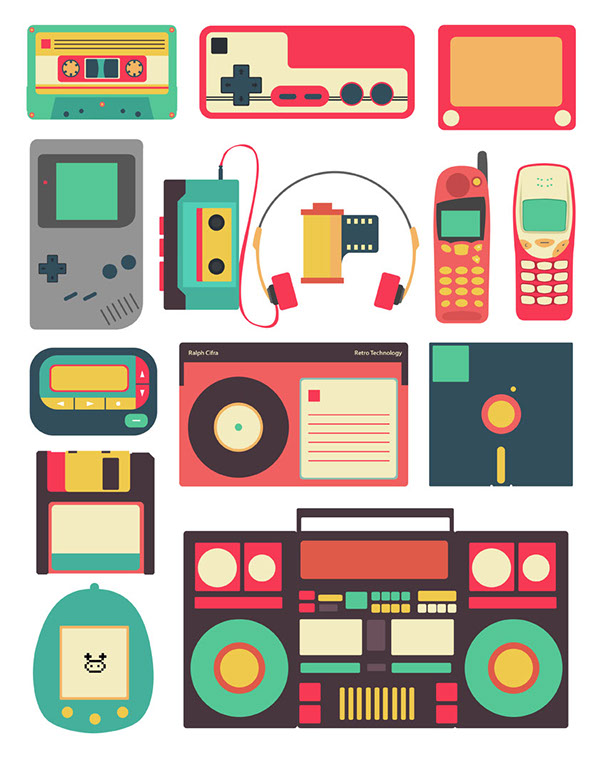
An era that brought us hair metal, synth-pop, hip-hop beats, and lovelorn ballads, there’s no question that the 80s were an incredibly diverse time for music. Gracing us with the likes of The Cure, Whitney Houston, David Bowie, Michael Jackson, and ACDC, the 80s decade was a big turning point for the development of digital music. While the psychedelic genre continued well into the 70s, the introduction of jazz, disco and funk – as well as the iconic Woodstock Festival – gave the 70s its groovy reputation.
Find the right balance between vintage and modern
Whether it’s the wholesome sentimentality of the ’50s or the rebellious spirit of the ’70s, retro design can instantly convey the brand’s ethos and create emotional connections that endure. Pop culture, with its kaleidoscope of influences, has consistently shaped the trajectory of design. From the psychedelic era of the 1960s to the neon-soaked 1980s, the essence of pop culture seeped into every facet of graphic design.
In today’s modern retro projects that translates to a bit of nostalgic whimsy in the design where designers are creating graphical elements that aren’t as good as they can be. This is done to help maintain the authenticity of the time period represented. These projects feature a lot of elements with over-dramatized pixels with blocky illustration and lettering. Even modern graphic design like 3D can be “retro-fied” thanks to special techniques used by designers. Manipulation of colors, use of specific textures and patterns, noise, and grunge effect make every modern piece of graphic design feel retro.
While retro colors pay homage to the past, they also have the power to breathe new life into contemporary designs. Designers today are blending the iconic palettes of yesteryears with modern aesthetics, resulting in fresh and exciting compositions that resonate with audiences of all ages. The revival of retro colors adds a touch of authenticity to branding, advertising, and various design projects.



No comments:
Post a Comment